
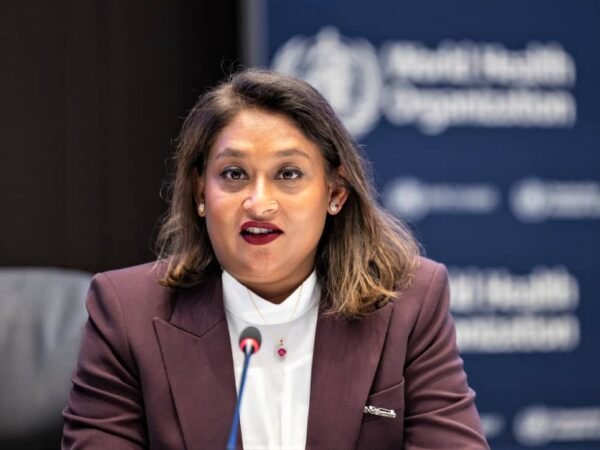
Dili, June 17, 2025 (Média Democracia) – The World Health Organization (WHO) Southeast Asia Region celebrates World Blood Donor Day, observed annually on June 14, honoring the heroes who support life through voluntary, unpaid blood donation, a simple act with a powerful impact that helps save countless lives. This year’s event was held on Saturday, 14 June 2025.
The Regional Director of WHO Southeast Asia, Saima Wazed, stated that this day has been organized since 2004 by the World Health Organization together with partners such as the International Federation of Red Cross and Red Crescent Societies, the International Federation of Blood Donor Organizations, and the International Society of Blood Transfusion.
“This is a vital moment to raise awareness on the critical and ongoing need for safe blood and blood products, which are essential for a resilient national health system. This year we celebrate under the theme: ‘Give blood, give hope: Join the effort and save lives.’” said Saima Wazed.
She emphasized that blood transfusion is a fundamental component of healthcare and effective emergency response. From mothers experiencing complications during childbirth, children suffering from severe anemia, to patients undergoing surgery or those with chronic blood disorders like thalassemia, hemophilia, and sickle-cell disease, donating blood saves lives.
“Many people in low- and middle-income countries still lack access to safe transfusion services, and achieving universal access to safe blood requires strong national systems founded on voluntary, unpaid blood donors who are committed to donate regularly. All Member States in our region have developed national blood policies aligned with WHO recommendations on blood safety,” the Regional Director continued.
She affirmed that these policies advocate for nationally coordinated blood transfusion services based 100% on voluntary, unpaid blood donations (VNRD), adhering to nationally and internationally recognized blood safety standards. While all countries have made progress, implementation levels vary across the region.
“Currently, nearly 50% of our Member States have reached close to 100% VNRD coverage, making a significant contribution to the supply of blood needed by national health systems. Across our region, approximately 82% of all blood collected comes from voluntary, unpaid donors, reflecting strong community engagement and donor motivation,” she explained.
She added that all blood collected in the region is screened for transfusion-transmitted infections (TTIs) and tested for necessary serological parameters, in accordance with national policies and WHO guidelines.
“I call on all governments, health authorities, and partners to renew their support for national blood transfusion programs through investments in infrastructure, training for blood bank staff, and public awareness efforts. Let us work together to create a safe, inclusive, and sustainable system that protects and empowers both donors and recipients,” she urged.
She also highlighted that in terms of blood component separation, over 45% of the total blood collected is processed into components, ensuring more efficient and targeted clinical use. SEARO continues to support capacity-building for quality plasma production and plasma-derived medicinal products through the revitalized Blood Achilles Project, implemented in collaboration with WHO, ISBT, and other technical partners.
In closing, she emphasized that on this World Blood Donor Day 2025, we are reminded that donating blood is not just a medical act but also an act of compassion, commitment, and hope, capable of saving lives even when donors and recipients may never meet.
Reporting: Nelfiano
Photo: WHO Southeast Asia Media