
Dili, November 10, 2026 [Média Democracia] – Hospital Nacional Guido Valadares (HNGV) has distributed digital cards to 16,300 patients who use external consultation services. This initiative is part of the process of digitalization of the health care system, with the objective of facilitating access to information and patient medical history through electronic systems.
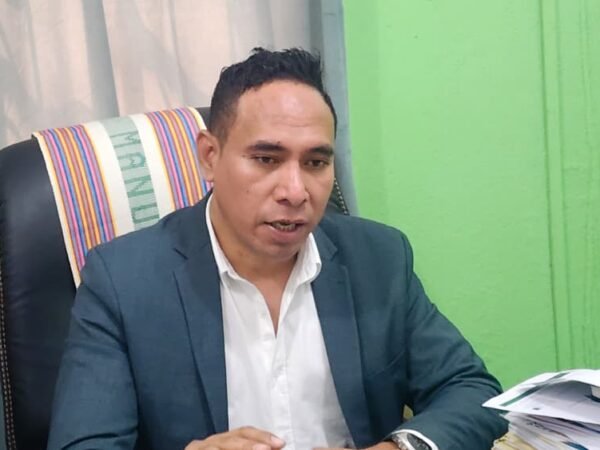
Director of Diagnostic and Therapeutic Support Services HNGV, Vidal de Jesus Lopes, said the distribution of digital cards will facilitate patients to access their medical records and information about treatment through the electronic system.
“Digital cards for 16,300 outpatients have been distributed. Now we have moved to the digitization system, so in the future, when patients come for care, the card can be scanned on the machine, and all their illness history will be registered in the system, so that doctors can see and give treatment,” Vidal de Lopes told reporters. workplace, Monday (09/11).
He explained that the distribution of digital cards is not limited to 16,300 patients who have received, but all new patients who come for consultation or care at HNGV will also receive digital cards.
“This card is valid for all patients who come to HNGV for care. Regarding internet access, it depends on telecommunications operators. However, HNGV continues to seek solutions to improve and improve the quality of the internet network, to facilitate our services. Currently, HNGV has signed a contract with Telkomsel,” he said.
He added that the digital card system has just been implemented in HNGV. If in the future the Ministry of Health (MS) decides to extend this system to hospitals in the municipality, this digital card can also be used in these hospitals. However, so far the system has not been implemented in other municipal hospitals.
Vidal informed that the process of digitizing the hospital system began in July, and the technical team has been working for six months, with the objective of transforming the health care system from the use of paper documents to an electronic system.
He explained that the digitalization process is divided into three phases. The first phase is to improve the system and implement a digital card, including recording and storing information about patients’ medical history (Medical Record).
The second phase is to integrate the diagnostic and therapeutic support system, which includes laboratory, radiology, pharmacy, blood bank, physiotherapy and nutrition services.
The third phase is to implement an information system for patients admitted to hospitals, including capacity development and training for human resources, especially doctors, nurses and midwives, to be able to use the digital system effectively.
He affirmed that currently HNGV has entered the final phase, which focuses on training for all health professionals, to prepare them to use the digital system integrally in daily care.
He added that the implementation of this digital system will help reduce the use of paper documents in the hospital, because information about patients can be accessed directly through computers or laptops in the inpatient room.
With the implementation of this system, doctors no longer need to collect examination results printed on paper, because examination results such as X-rays will be automatically registered in the system. Thus, doctors can access and read the examination results directly through the computer, facilitating the diagnosis and treatment process for patients.
Reporting: Octaviana da Costa
Photo: Octaviana da Costa