Timor-Leste still does not have a DNA testing machine. Mortal remains have been preserved for almost 10 years at HNGV Dili, August 06, 2026 (Media Democracia) – Some mortal remains that are currently being preserved in the morgue of the Hospital Nacional Guido Valadares (HNGV) for DNA testing have still not been able to undergo final identification for almost 10 years, because Timor-Leste still does not have a machine to carry out DNA tests. According to the Head of the Forensic Department at HNGV, Nilton Tilma, DNA testing is very important to determine a person’s identity, especially for remains that have not yet been identified. He said this process did not just start — for almost 10 years the Government and relevant institutions have been looking for ways to be able to do DNA testing. “The DNA testing machine is very important because it can speed up investigation processes and determine a person’s identity, not only for the deceased, but also for other cases such as paternity disputes. Before we used conventional methods like blood tests, but with DNA testing these problems can be resolved accurately and quickly,” said Nilton Tilma when speaking with journalists at the Forensic Department HNGV, Bidau Tolu Baru, Wednesday (05/08). He also said that the equipment used to preserve the bodies is already old. Some of the freezers have gone in for maintenance, and currently HNGV only has three machines that can accommodate between 36 to 38 bodies in total. According to him, some of the freezers have been in use for more than 20 years and have not yet been replaced. Because of this, he is calling on the Government to pay attention to the need for resources and modern equipment to better support forensic work. Nilton Tilma explained that some of the remains currently preserved in the morgue came from areas such as Metinaro and Uatulari. These remains were brought in with preliminary information from family or community members, but are still waiting for final confirmation through DNA testing. “For example, there are remains suspected to be those of the late David Alex Daitula, the late Mahodu Raan Kadalan, and others. The information we have now is still only based on data from the field. To confirm it properly, DNA testing is needed,” he said. He said that for almost 10 years institutions have continued to submit written and verbal reports to the Government about the need to install a DNA laboratory in Timor-Leste, but so far there have been no concrete results. Meanwhile, the Government has been sending samples of some remains to Indonesia for DNA testing. Among these cases are the late Commander Mai-Brani, the late Venácio, and most recently Commander Linu Olokasa together with two of his comrades. The tests were done in Surabaya and the results are expected to be released soon in 2024. According to Nilton Tilma, DNA testing costs used to be very high, but with technological development the costs have started to come down and the process has also become faster. Even so, Timor-Leste still depends on other countries to do this work. He warned that if the identification process takes too long, environmental factors can affect the quality of DNA samples from the remains, which in the end could make it difficult or impossible to get results with a high level of confidence. For that reason, the Head of the Forensic Department at HNGV is asking the Government to prioritize investment in a laboratory and DNA testing machines in Timor-Leste, so that the process of identifying remains and forensic investigations can be carried out quickly, efficiently, and according to international standards. Report By: Nelia Freitas Photo : Nelia Freitas

Dili, August 06, 2026 (Media Democracia) – Some mortal remains that are currently being preserved in the morgue of the Hospital Nacional Guido Valadares (HNGV) for DNA testing have still not been able to undergo final identification for almost 10 years, because Timor-Leste still does not have a machine to carry out DNA tests.

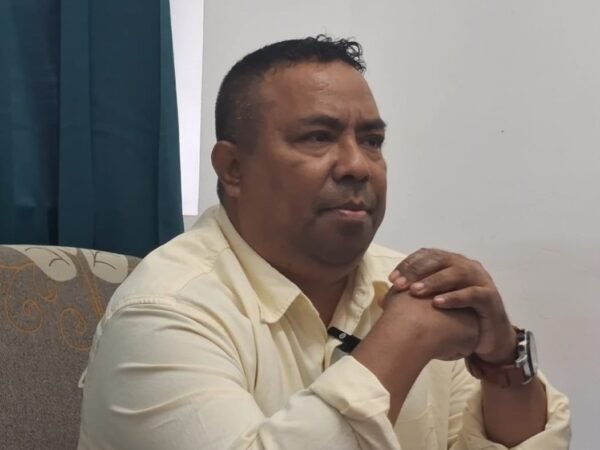
According to the Head of the Forensic Department at HNGV, Nilton Tilma, DNA testing is very important to determine a person’s identity, especially for remains that have not yet been identified. He said this process did not just start — for almost 10 years the Government and relevant institutions have been looking for ways to be able to do DNA testing.
“The DNA testing machine is very important because it can speed up investigation processes and determine a person’s identity, not only for the deceased, but also for other cases such as paternity disputes. Before we used conventional methods like blood tests, but with DNA testing these problems can be resolved accurately and quickly,” said Nilton Tilma when speaking with journalists at the Forensic Department HNGV, Bidau Tolu Baru, Wednesday (05/08).

He also said that the equipment used to preserve the bodies is already old. Some of the freezers have gone in for maintenance, and currently HNGV only has three machines that can accommodate between 36 to 38 bodies in total.

According to him, some of the freezers have been in use for more than 20 years and have not yet been replaced. Because of this, he is calling on the Government to pay attention to the need for resources and modern equipment to better support forensic work.

Nilton Tilma explained that some of the remains currently preserved in the morgue came from areas such as Metinaro and Uatulari. These remains were brought in with preliminary information from family or community members, but are still waiting for final confirmation through DNA testing.
“For example, there are remains suspected to be those of the late David Alex Daitula, the late Mahodu Raan Kadalan, and others. The information we have now is still only based on data from the field. To confirm it properly, DNA testing is needed,” he said.

He said that for almost 10 years institutions have continued to submit written and verbal reports to the Government about the need to install a DNA laboratory in Timor-Leste, but so far there have been no concrete results.

Meanwhile, the Government has been sending samples of some remains to Indonesia for DNA testing. Among these cases are the late Commander Mai-Brani, the late Venácio, and most recently Commander Linu Olokasa together with two of his comrades. The tests were done in Surabaya and the results are expected to be released soon in 2024.

According to Nilton Tilma, DNA testing costs used to be very high, but with technological development the costs have started to come down and the process has also become faster. Even so, Timor-Leste still depends on other countries to do this work.

He warned that if the identification process takes too long, environmental factors can affect the quality of DNA samples from the remains, which in the end could make it difficult or impossible to get results with a high level of confidence.

For that reason, the Head of the Forensic Department at HNGV is asking the Government to prioritize investment in a laboratory and DNA testing machines in Timor-Leste, so that the process of identifying remains and forensic investigations can be carried out quickly, efficiently, and according to international standards.
Report By: Nelia Freitas
Photo : Nelia Freitas

Tinggalkan Balasan

Alamat email Anda tidak akan dipublikasikan. Ruas yang wajib ditandai *