
Dili, 07 May 2026 (Media Democracia) – Commission C of the National Parliament, which handles Public Finance matters, has approved the discussion calendar for the draft Law on the General Regime of Administrative Fees, with the presence of 8 deputies.
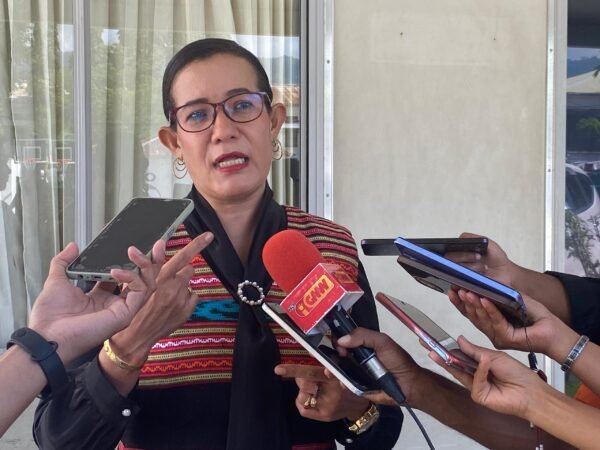
Commission C President, Cedelígia Faria dos Santos, said the new law will specifically regulate fees in Public Administration and will cover many sectors.
“Today we carried out the appraisal and approval of the calendar for the new law on the General Regime of Administrative Fees. Going forward, we will have a law that specifically regulates our fees, because the application of fees will cover many areas. Commission C will hold hearings with various entities. When this law is applied, its fees will cover a very broad range of areas.” said the President of Commission C to journalists during the parliamentary discussion on 06 May 2026.
She said Commission C will hold hearings with the Vice Prime Minister for Economic Affairs, the Ministry of Petroleum, the Ministry of Health, the Ministry of Public Works, and other ministries, because we know EDTL collects a lot of revenue, so all these entities will be called.
Cedelígia informed that regarding the health sector, although it is currently free, in the future there may be fees for specific cases. Possibly going forward, like when we use certain machines in hospitals, there will also be fees.
“This law will give municipalities a way to collect fees, municipalities will also participate because these fees can also be applied in municipalities regarding their activities, including their lands. This law doesn’t cover taxes, taxes are what we usually call VAT, the Government will submit it when taxes are also included. Whether we like it or not, our community must be ready because it will affect consumers.” she added.
She affirmed that, after 20 years since the Restoration, we must put these things in place in order to also increase revenue for the government itself, because often Timor’s domestic revenue isn’t enough to cover basic salaries.
Commission C acknowledges that there are problems with the implementation of existing fees, such as in the municipalities, because some buildings have fees set for paying rent, fees for salaries, but some don’t comply.
“The law exists, but when it comes to implementation on the ground we haven’t applied maximum control, and this also has an impact. I think this law is to increase fees that so far haven’t been included. When approved, its scope will be even broader, there will be limitations. Right now we will still set limitations on only some things because we have only recently become independent and the people’s salaries are still low.” she said.
Because we are now in 2026, the Government has already paid attention to these matters, after approving the calendar, next week the Commission President will take the draft law to the plenary for the general debate. Once the general debate is approved in plenary, the Commission will then continue to the specialty phase.
Report By: Trainees Leozalia and Juliana
Photo By: Trainee Jualiana